Exhibition Marketing: Promote Your Stand Before, During & After

Exhibition Marketing: How to Promote Your Stand Before, During and After the Show

Exhibition marketing is the work you do to promote your presence at a trade show before, during and after the event, so the right visitors find your stand, engage with your team, and convert into customers afterwards. The stand itself is only part of the job. Without a marketing plan wrapped around it, even a beautifully built stand can stand quiet while the competitor across the aisle takes the leads.
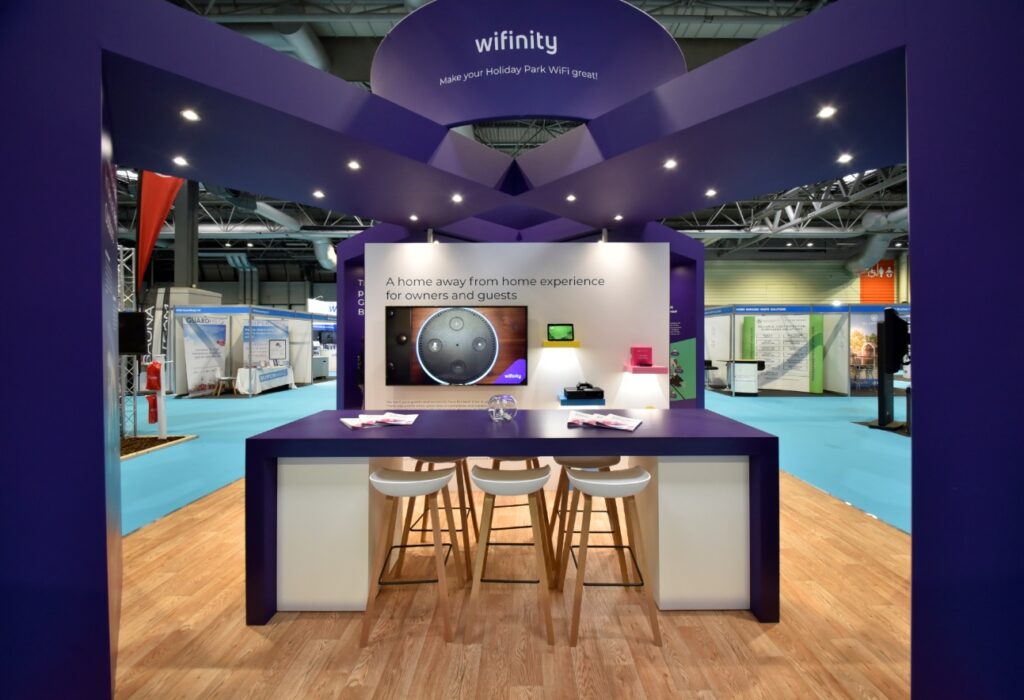
The numbers explain why this matters. Industry research from the Center for Exhibition Industry Research (CEIR) puts the share of trade show attendees with buying authority at around 81%, so the audience walking the floor is genuinely commercial. The catch is what happens next: industry analysis suggests roughly 80% of trade show leads are never followed up, and that most of the revenue a show generates is realised through post-event follow-up rather than on the floor itself. Get the marketing right at all three stages and you are competing for a return most exhibitors leave on the table.
This guide sets out a practical exhibition marketing strategy for B2B exhibitors: what to do in the weeks before the doors open, how to win attention with strong exhibition stand ideas on the day, and how to follow up so the leads turn into pipeline. The London Display Company has spent 25 years designing and building bespoke exhibition stands for clients including Google, Uber Eats, Deliveroo and Cancer Research UK, so the framework below is the one we walk our own clients through.
Quick answer: Exhibition marketing is the work you do to promote your trade show presence before, during and after the event, so the right visitors find your stand and convert into customers. Treat the show as a three-phase campaign: build awareness and pre-book meetings in the six to eight weeks beforehand, win attention and capture every lead on the day, then follow up fast across more than one channel afterwards. Around 81% of trade show attendees have buying authority, yet roughly 80% of leads are never followed up, so the marketing wrapped around your stand is where most of the return is won or lost. Tie every phase to a measurable goal and judge each tactic on qualified leads, not vanity reach.

What is exhibition marketing?

Exhibition marketing is the full set of promotional activity that surrounds a trade show appearance, designed to maximise the commercial return on the money you have already committed to floor space and stand build. It spans three connected phases – pre-show, on-stand and post-show – and treats the event as a campaign rather than a single day out.
It is worth drawing a clear line here. Exhibition marketing is not the same as general event marketing. The goal is specific: fill your stand with qualified visitors and convert them. Every tactic below should be judged against that, not against vanity reach. A strong exhibition marketing plan ties each phase to a measurable objective, so awareness in the run-up becomes footfall on the day, and footfall becomes pipeline afterwards.

Why exhibition marketing matters before you spend a penny on the stand

Stand design, build and floor space are among the largest fixed commitments in any exhibitor’s budget, and they are locked in the moment you sign. That makes the marketing wrapped around them the highest-leverage spend you have: a relatively small investment in promotion can move footfall and lead volume significantly, while the committed costs stay the same. In other words, the marketing is what turns a sunk cost into a return.
The audience is ready to buy. Alongside the high share of attendees with buying authority noted above, most are actively looking for new suppliers and products. A high percentage of SMEs say they have generated new business through face-to-face networking at trade shows. The risk is not a weak audience, rather it is failing to reach them before, during and after the show. That is the gap a deliberate exhibition marketing strategy closes.
The stand is a fixed cost the day you sign for it. The marketing wrapped around it is what turns that sunk cost into a return, which is why it is the highest-leverage spend in the whole budget.

Before the show: pre-show exhibition marketing

Most of the result is decided before the doors open. The aim of pre-show marketing is simple: make sure the people you want to meet already know where you are and have a reason to visit. Start six to eight weeks out and build momentum towards the event.

Set the campaign and a single, measurable goal

Decide what the show is for before you promote it. A product launch, a special offer, or a push into a new sector each calls for a different message. Set one headline objective – for example, 40 booked stand meetings – and break it into targets for each phase. Without a number, you cannot tell pre-show marketing that worked from activity that merely felt busy.

Use every channel to drive visitors to your stand

Promote across the channels your audience already uses, and point all of them at a single event landing page with your stand number and a clear call to action.
  • Email invitations to your target list and existing contacts
  • Organic and paid social using the official show hashtag
  • An event landing page on your site carrying your stand number
  • The organiser's exhibitor channels and the show app
  • Targeted PR and direct mail to high-value prospects

Pre-book meetings

Pre-booked appointments are the single most reliable way to guarantee a return. Every confirmed meeting is a qualified conversation locked in before the show starts, and it turns an open-ended day into a structured schedule. Give your team a simple booking link and a target number, and treat booked meetings as the headline pre-show KPI.

Brief the stand and the people on it

Marketing draws people in; the stand and the staff convert them. Make sure the stand design supports the campaign message, lead capture is in place, and the team is briefed on the offer, the qualifying questions and the next step they are asking for. A well-designed exhibition stand built around your sales process does a great deal of the marketing work for you once visitors arrive.

During the show: drawing visitors to your stand

On the day, your job is to win attention in a crowded hall and capture every worthwhile conversation. This is where stand design and exhibition marketing meet: the most effective exhibition marketing ideas only work if the stand itself pulls people in from across the floor.

Make the stand visible from a distance

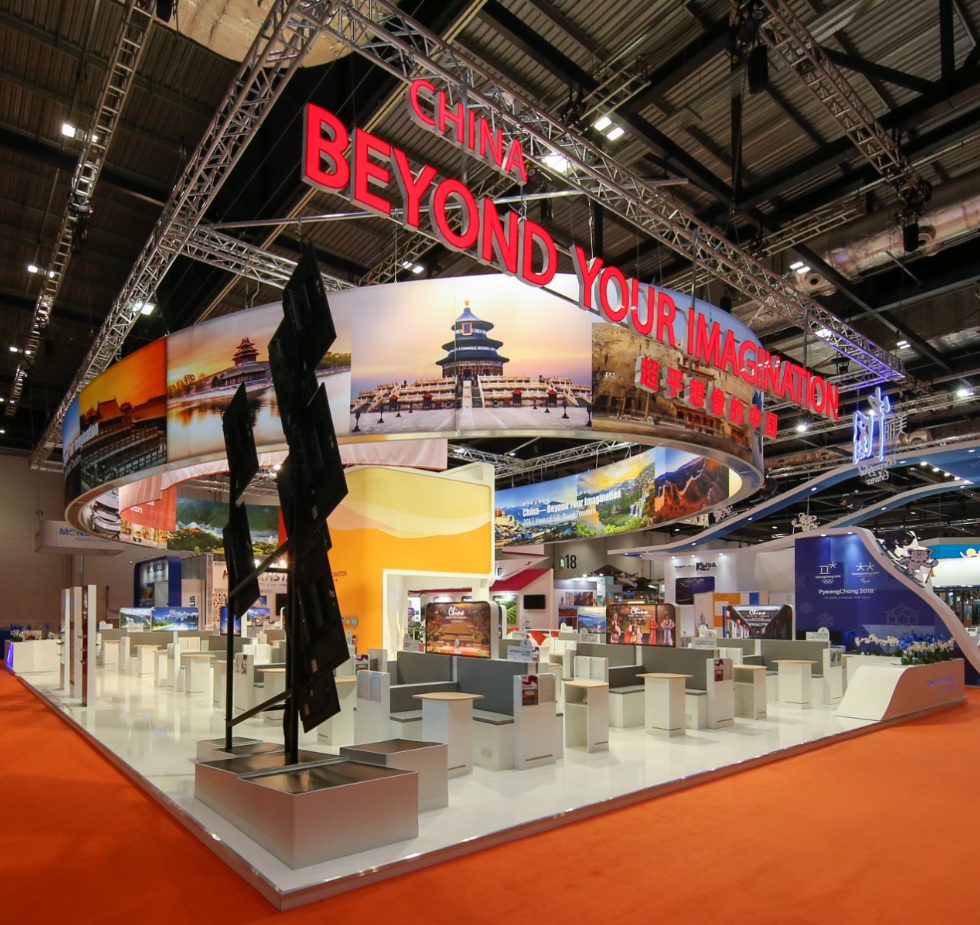
Visitors decide where to walk based on what they can see from the aisle. A strong vertical element draws the eye long before anyone reads your messaging. Hanging displays and large display stands are designed specifically to be seen across a busy hall, and more visitors at the front of the funnel means more leads at the back.

Give people a reason to stop and stay

Dwell time correlates directly with lead quality. The longer a visitor stays, the more likely they are to convert. Practical tactics that earn dwell:
  • Live product demonstrations and interactive screens that invite a hands-on moment
  • A clear, single call to action - "book a demo" beats "learn more about us"
  • Useful, relevant giveaways - UK exhibition data shows 52% of visitors are more likely to visit a stand that offers one, so choose items your buyers will actually keep
  • Comfortable space for a real conversation, not just a counter to lean on

Capture every lead with attribution built in

A conversation you cannot follow up is a wasted one. Use badge scanners or QR-coded forms so every lead is captured digitally, tag each one with the event name as the source from day one, and note interest and next step against each contact. This is the foundation of exhibition lead generation that survives past the show, and it is what makes ROI measurable later.

Market the stand live, online

Extend the stand’s reach beyond the people physically present. Post real-time photos, short videos and behind-the-scenes clips using the show hashtag, and tag the organiser and partners. Live content reaches attendees who have not yet visited and prospects who could not attend at all, and it gives your pre-show audience a reason to come and find you.

After the show: follow-up that converts leads into pipeline

Follow up fast, and on more than one channel

Speed is the difference between a warm lead and a cold one. Aim to make contact within 48 hours, and within 24 where you can. Use at least two touchpoints – email and a phone call work well together – rather than relying on a single message that is easy to ignore.

Make it personal and add value

Reference the conversation you actually had. A short note that recalls what the visitor was interested in, ideally with a photo of your team at the stand, is far more effective than a generic ‘thanks for visiting’. Attach something genuinely useful to them – a relevant case study, a product video or a tailored quote – so the follow-up earns the next step rather than just asking for it.

Segment, nurture and stay visible

Not every lead is ready to buy now. Score and segment them by intent, route the hot ones straight to sales, and put the rest into a nurture sequence. Retargeting ads to your event page visitors keep your brand in front of people through a long B2B buying cycle, so you are still there when they are ready.

How to build an exhibition marketing plan

A good exhibition marketing strategy is just these three phases written down, each with an owner, a deadline and a number to hit. Use the timeline below as a template and adapt the dates to your show.
PhaseWhenFocus and key actionsHeadline KPI
Pre-show6 to 8 weeks out, with a final push in the last weekSet one measurable goal; promote across email, social, your event landing page and PR; pre-book meetings; brief the stand and staffBooked stand meetings
On-standShow daysMaximise visibility from distance; earn dwell time with demos and a single CTA; capture every lead with source attribution; post live contentQualified leads captured
Post-showWithin 48 hours, then nurture over monthsFollow up fast on email and phone; personalise to the conversation; score, segment and nurture; retarget event-page visitorsPipeline and closed revenue
Two principles make the plan work. First, every phase points to the next – awareness exists to create footfall, footfall exists to create pipeline. Second, B2B sales cycles are long, so measure results over months, not days. A lead from this show may not close for a quarter or more, which is exactly why attribution and nurture matter.

How stand design supports your exhibition marketing
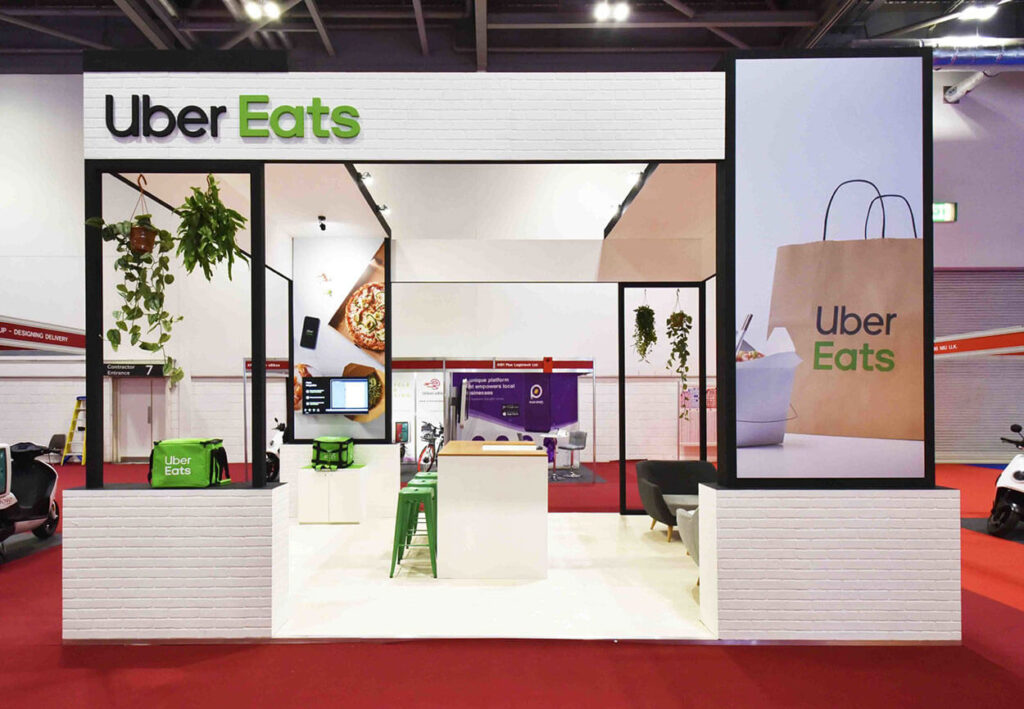
The best marketing in the world cannot rescue a stand that gives people nothing to walk towards. Stand design and exhibition marketing are two halves of the same job: the campaign brings the right audience to the hall, and the stand converts them once they arrive.
It also helps to plan around the venue. Knowing the layout and audience of the UK exhibition venues you are attending shapes everything from stand height to staffing, and feeds directly back into the marketing plan.
Visibility, dwell time and a clear call to action are all design decisions before they are marketing ones. If you exhibit at more than one show a year, modular exhibition stands let you reuse and reconfigure a single investment across the calendar, while sustainable exhibition stands increasingly form part of the brand story buyers care about. For smaller spaces or tighter budgets, pop up exhibition stands still give you a professional, on-brand presence to market around.
Visibility, dwell time and a clear call to action are design decisions before they are marketing ones. Build the stand around how you want visitors to behave, and the campaign has something to convert against.

Measuring exhibition marketing success

If you cannot measure it, you cannot improve it – or defend the budget next year. Track a small set of metrics across the three phases, and weight your reporting towards qualified leads rather than raw footfall, because exhibitors themselves rank lead quality as the top measure of show success.
PhaseWhat to trackHeadline metric
BeforeRegistrations, event-page visits, booked meetingsBooked meetings vs target
DuringFootfall, dwell time, qualified leads (MQLs and SQLs)Cost per qualified lead
AfterResponse rates, pipeline value, closed revenueClosed revenue and CPL by show
Cost per qualified lead is the single most useful in-month number, because it lets you compare shows fairly. For a full framework on attribution, cost benchmarks and a simple calculator, see our guide on how to measure exhibition stand ROI and costs. It pairs naturally with the marketing plan above: this guide drives the leads, that one proves their worth.

Common exhibition marketing mistakes to avoid

  • Treating the stand as the whole job and doing no marketing around it.
  • Starting too late - leaving promotion to the final week loses most of the pre-show opportunity.
  • No lead attribution - business cards in a bag with no source tagging make ROI impossible to prove.
  • Slow or no follow-up - the most expensive mistake of all, given where the revenue actually comes from.
  • Chasing footfall over fit - a busy stand full of the wrong people is a vanity metric, not a result.
Frequently asked questions

Exhibition marketing is the promotional activity around a trade show appearance – before, during and after the event – that drives the right visitors to your stand and converts them into customers. It covers pre-show awareness and meeting booking, on-stand engagement and lead capture, and post-show follow-up and nurture, all tied to measurable goals.

Promote your stand using email invitations, organic and paid social with the show hashtag, an event landing page on your website, the organiser’s exhibitor channels, and targeted PR or direct mail. Point every channel at a single landing page with your stand number, and prioritise booking meetings in advance – pre-booked appointments are the most reliable driver of a return.

Draw visitors with strong visibility from a distance (hanging signage, raised graphics, large or bespoke exhibition stands), a clear single call to action, interactive demos that earn dwell time, and useful giveaways. Train your staff to engage proactively and qualify quickly, and post live content so attendees elsewhere in the hall come to find you.

Follow up within 48 hours, and within 24 where possible. Industry research suggests most exhibitors follow up slowly or not at all, yet most of the revenue a show generates is realised through post-event activity rather than on the floor. Fast, personal, multi-channel follow-up is the highest-impact part of the whole campaign.

In practice the terms are used interchangeably: both describe promoting your presence at an exhibition or trade show to drive footfall and leads. ‘Trade show marketing’ is the more common term in the US, while ‘exhibition marketing’ is more typical in the UK. The three-phase before, during and after framework applies to both.

Measure across the three phases: registrations and booked meetings before the show, footfall and qualified leads during, and response rates, pipeline and closed revenue after. Cost per qualified lead is the best in-month efficiency metric.

Begin six to eight weeks before the show for the main pre-show push, with a final reminder phase in the last week. Stands and lead-capture logistics should be planned earlier still, and your follow-up and nurture sequence should be built before the show so it is ready to run the moment the doors close.

Build a stand the right people walk towards

Great exhibition marketing brings the right audience to the hall; the stand is what converts them once they arrive. The two are halves of the same job, which is why it pays to design the stand around your campaign and your sales process from the brief stage.
The London Display Company has spent 25 years designing and building bespoke exhibition stands for clients including Google, Uber Eats, Deliveroo and Cancer Research UK. Whether you need a bespoke, modular or pop up stand, we will help you build one that earns attention and dwell time on a busy floor.
Tell us about your next show and we will put together a free design and quote, with no obligation.