Exhibition Marketing: How to Promote Your Stand Before, During and After the Show
Exhibition Marketing: How to Promote Your Stand Before, During and After the Show
Exhibition marketing is the work you do to promote your presence at a trade show before, during and after the event, so the right visitors find your stand, engage with your team, and convert into customers afterwards. The stand itself is only part of the job. Without a marketing plan wrapped around it, even a beautifully built stand can stand quiet while the competitor across the aisle takes the leads.
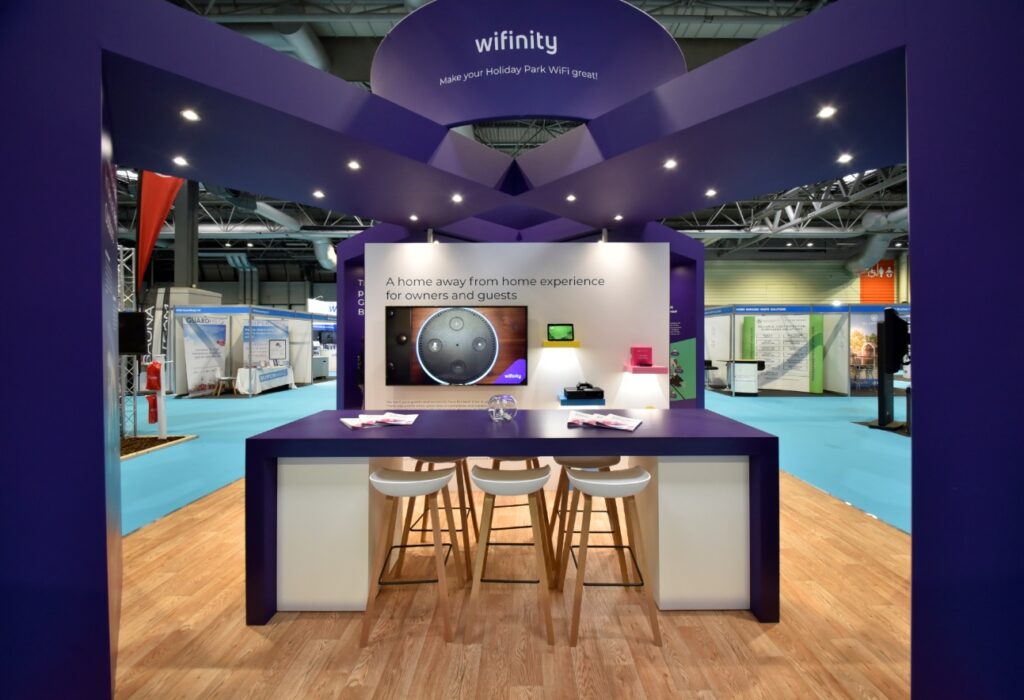
What is exhibition marketing?
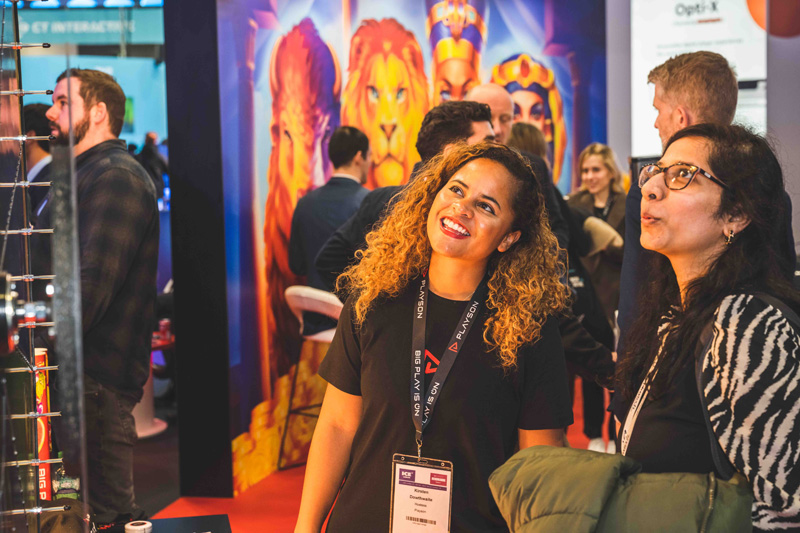
Why exhibition marketing matters before you spend a penny on the stand
Before the show: pre-show exhibition marketing
Set the campaign and a single, measurable goal
Use every channel to drive visitors to your stand
- Email invitations to your target list and existing contacts
- Organic and paid social using the official show hashtag
- An event landing page on your site carrying your stand number
- The organiser's exhibitor channels and the show app
- Targeted PR and direct mail to high-value prospects
Pre-book meetings
Brief the stand and the people on it
During the show: drawing visitors to your stand
Make the stand visible from a distance
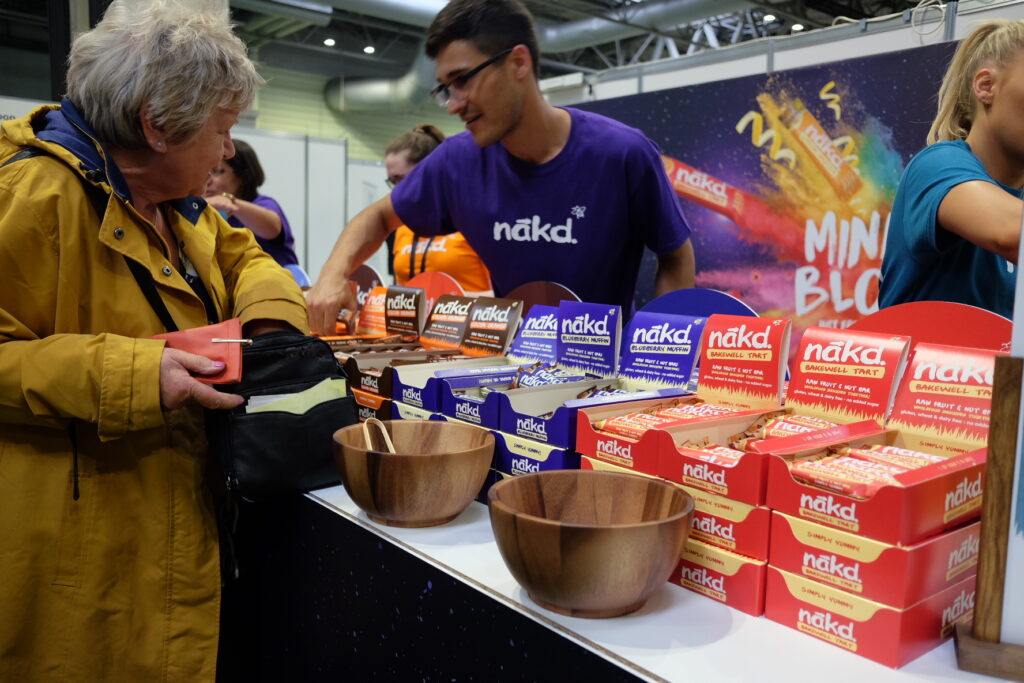
Give people a reason to stop and stay
- Live product demonstrations and interactive screens that invite a hands-on moment
- A clear, single call to action - "book a demo" beats "learn more about us"
- Useful, relevant giveaways - UK exhibition data shows 52% of visitors are more likely to visit a stand that offers one, so choose items your buyers will actually keep
- Comfortable space for a real conversation, not just a counter to lean on
Capture every lead with attribution built in
Market the stand live, online
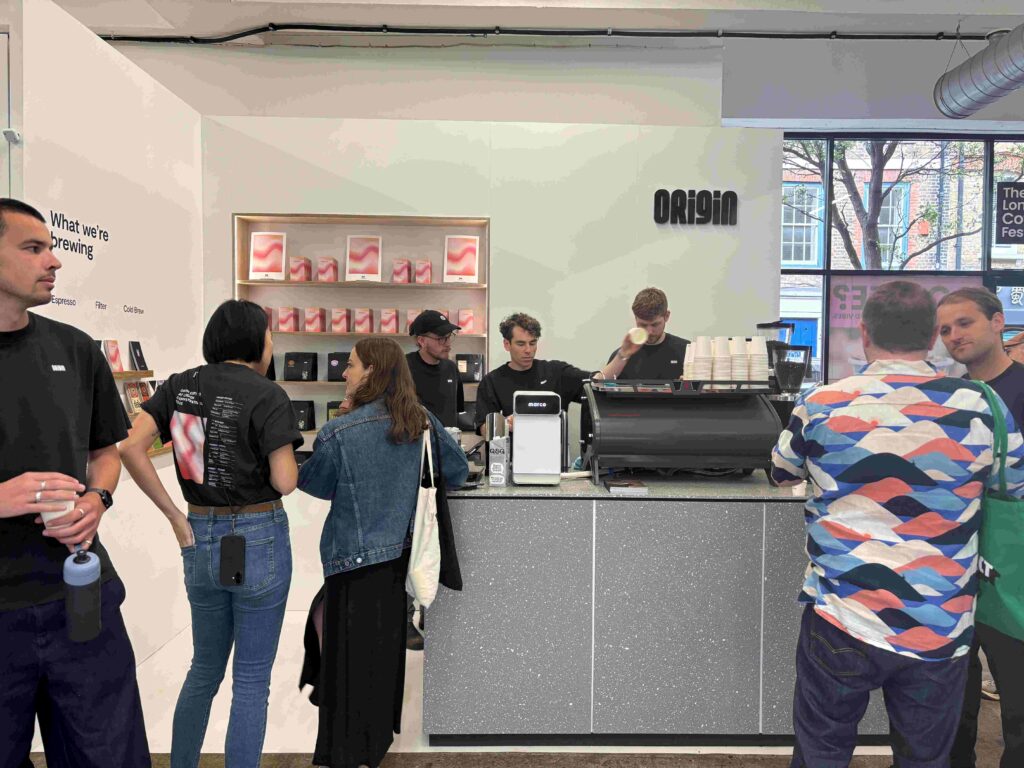
After the show: follow-up that converts leads into pipeline
Follow up fast, and on more than one channel
Make it personal and add value
Segment, nurture and stay visible
How to build an exhibition marketing plan
| Phase | When | Focus and key actions | Headline KPI |
|---|---|---|---|
| Pre-show | 6 to 8 weeks out, with a final push in the last week | Set one measurable goal; promote across email, social, your event landing page and PR; pre-book meetings; brief the stand and staff | Booked stand meetings |
| On-stand | Show days | Maximise visibility from distance; earn dwell time with demos and a single CTA; capture every lead with source attribution; post live content | Qualified leads captured |
| Post-show | Within 48 hours, then nurture over months | Follow up fast on email and phone; personalise to the conversation; score, segment and nurture; retarget event-page visitors | Pipeline and closed revenue |
How stand design supports your exhibition marketing
Measuring exhibition marketing success
| Phase | What to track | Headline metric |
|---|---|---|
| Before | Registrations, event-page visits, booked meetings | Booked meetings vs target |
| During | Footfall, dwell time, qualified leads (MQLs and SQLs) | Cost per qualified lead |
| After | Response rates, pipeline value, closed revenue | Closed revenue and CPL by show |
Common exhibition marketing mistakes to avoid
- Treating the stand as the whole job and doing no marketing around it.
- Starting too late - leaving promotion to the final week loses most of the pre-show opportunity.
- No lead attribution - business cards in a bag with no source tagging make ROI impossible to prove.
- Slow or no follow-up - the most expensive mistake of all, given where the revenue actually comes from.
- Chasing footfall over fit - a busy stand full of the wrong people is a vanity metric, not a result.
Frequently asked questions
Exhibition marketing is the promotional activity around a trade show appearance – before, during and after the event – that drives the right visitors to your stand and converts them into customers. It covers pre-show awareness and meeting booking, on-stand engagement and lead capture, and post-show follow-up and nurture, all tied to measurable goals.
Promote your stand using email invitations, organic and paid social with the show hashtag, an event landing page on your website, the organiser’s exhibitor channels, and targeted PR or direct mail. Point every channel at a single landing page with your stand number, and prioritise booking meetings in advance – pre-booked appointments are the most reliable driver of a return.
Draw visitors with strong visibility from a distance (hanging signage, raised graphics, large or bespoke exhibition stands), a clear single call to action, interactive demos that earn dwell time, and useful giveaways. Train your staff to engage proactively and qualify quickly, and post live content so attendees elsewhere in the hall come to find you.
Follow up within 48 hours, and within 24 where possible. Industry research suggests most exhibitors follow up slowly or not at all, yet most of the revenue a show generates is realised through post-event activity rather than on the floor. Fast, personal, multi-channel follow-up is the highest-impact part of the whole campaign.
In practice the terms are used interchangeably: both describe promoting your presence at an exhibition or trade show to drive footfall and leads. ‘Trade show marketing’ is the more common term in the US, while ‘exhibition marketing’ is more typical in the UK. The three-phase before, during and after framework applies to both.
Measure across the three phases: registrations and booked meetings before the show, footfall and qualified leads during, and response rates, pipeline and closed revenue after. Cost per qualified lead is the best in-month efficiency metric.
Begin six to eight weeks before the show for the main pre-show push, with a final reminder phase in the last week. Stands and lead-capture logistics should be planned earlier still, and your follow-up and nurture sequence should be built before the show so it is ready to run the moment the doors close.