The Future of Exhibition Design: 2026 Trends to Watch
Exhibition design never stands still. As we move into 2026, expectations on the show floor are changing quickly – shaped by smarter technology, a more practical approach to sustainability, and a growing focus on experiences that feel genuinely worthwhile for visitors.
Great bespoke exhibition stands balance visual impact with clear purpose. They draw people in, communicate a story quickly, and make it easier to have the right conversations. In this article, we’ll explore the key exhibition trends influencing exhibition design right now – from digital features that add real value, to more considered material choices and build methods that reduce waste. Whether you design, organise, exhibit, or you’re simply interested in where the industry is heading, these exhibition design trends in 2026 will help you plan with confidence in a fast-moving landscape.
The Rise of Digital Integration
Digital features are now a familiar part of the modern show floor. Visitors expect to find information quickly, so they can understand what’s on offer and move through a stand without confusion. For exhibitors, digital integration works best when it reduces friction – helping people explore products, find the right team member, and share details without relying on piles of printed material. The goal is not to create a “screen showroom”, but more so to use tech in a way that supports the stand and the conversations happening within it.
Interactive Digital Kiosks
Interactive kiosks have become less of an exhibition trend and more of a practical staple for many exhibitors, especially where there’s a lot to cover. They can house product explorers, comparison tools, interactive maps, and simple “start here” journeys that guide visitors towards the right areas. They’re also useful for appointment booking, capturing quick enquiries, and offering multilingual content for international audiences.
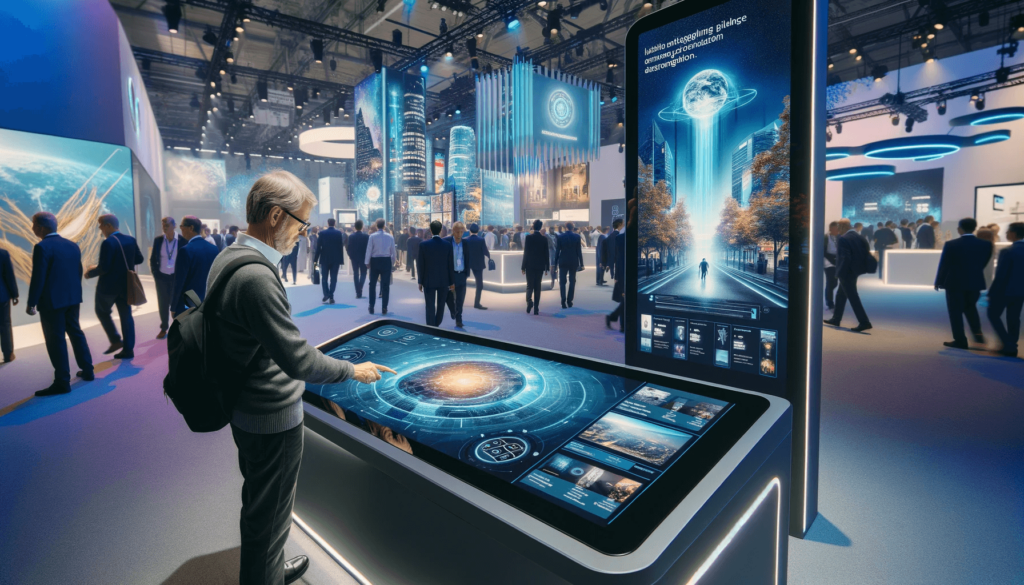
The best kiosks stay quick and optional. Visitors should be able to get value in seconds, then choose whether to speak with someone or keep browsing. A further benefit is insight: seeing what people tap on most, what they spend time reading, and which content gets saved can help refine messaging and stand layout for future shows.
Mobile App Integration
While a dedicated mobile app has been used by businesses for exhibitions, in 2026 many brands lean on lighter options such as event app features, QR-triggered microsites, or web-based experiences that load instantly. These can provide audio guides for larger stands, “scan to save” product sheets, add-to-calendar links for demos or talks, and straightforward lead capture forms. Mobile can also support AR overlays, but the uptake varies by audience and event type, so it helps when the benefit is immediate and clear.
Social Media Tie-ins
Social media remains a useful extension of the stand, particularly when it’s planned with purpose. Branded backdrops, photo moments, QR links to landing pages, and simple prompts that encourage UGC can all help broaden reach beyond the hall. Live social moments can work well too – provided they’re aligned to the brand story and properly managed.
The most effective digital integration tends to be the kind visitors barely notice. It keeps the experience smooth, encourages people to stay longer, and makes follow-up cleaner – from better-quality leads to content saves and shares that continue working after the show ends.
Virtual Reality (VR) and Augmented Reality (AR) Experiences
VR and AR are now familiar tools in the exhibition world, but they tend to play very different roles on a live show floor. In 2026, the stronger exhibition industry trend shift is towards augmented reality (which provides a more flexible, “in the moment” layer that can sit alongside a stand’s physical build), but VR is still valued by certain businesses and their purpose. Both give brands a way to show more, explain more clearly, and help visitors visualise what they’re looking at.
Used well, AR and VR solve a common exhibition challenge: you can’t always bring the full product, environment, or scale of a service to an event. Visualisation bridges that gap, supporting the story you’re telling and making it easier for visitors to understand what you do.
Augmented Reality Enhancements
AR works best when it’s quick and practical. Visitors can point a phone or tablet at a product, graphic, or marker and instantly see an overlay that adds context. This might be an exploded view of how something fits together, a “how it works” animation, or a before-and-after transformation that makes the benefit obvious in seconds. It can help businesses that want to demonstrate different variations of their product without needing multiple physical samples, industries where scale matters (to help visualise larger items in a useful way) and much more.
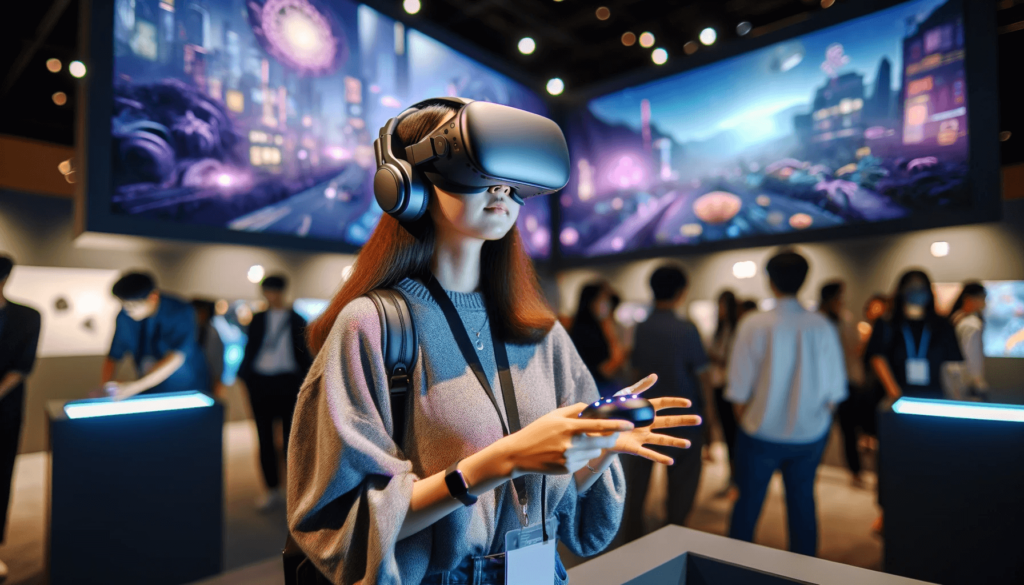
AR has been seen to be most effective when it’s guided, rather than left entirely self-serve. A staff-led AR moment can turn a quick demo into a clear story, with the team adding the detail, answering questions, and tailoring the conversation to what the visitor actually cares about. It also keeps the experience accessible: visitors can opt in for a short, helpful layer of visualisation without committing to a longer activation.
Immersive VR Experiences
VR still has a place, but it tends to suit specific objectives and audiences. Where it shines is in experiences that are difficult, expensive, or impossible to recreate on the show floor – walking through a site, stepping inside a complex environment, or seeing large-scale equipment in action. It can also work well for training-style demonstrations and scenarios that would be unsafe or impractical to showcase in person.
For the right brand, VR can also be a genuine “X-factor” moment. It creates focus and can leave a strong impression, particularly when the story is clear and the experience is well designed. That said, it’s rarely the default choice for every stand. You have to take the practicalities into account, including that headsets need cleaning, and visitors may not want to queue or commit time during a busy show. VR also needs staff support to run smoothly and to make sure the experience connects back to the wider message of the stand.
Overall, AR is becoming the more scalable option for exhibitions in 2026, while VR remains a powerful tool when the format genuinely fits. In both cases, the aim stays the same: help visitors see what they can’t easily see on a stand, and make the value of your product or service easier to understand in the moment.
Sustainable Materials and Eco-Friendly Practices
Sustainability has become an essential part of exhibition design in 2026. A high proportion of visitors and exhibitors now expect to see clear sustainability initiatives on the show floor, and many organisers are raising standards around waste, materials, and build methods to ensure they are using sustainable exhibition stands. For brands, it’s also a chance to make smarter decisions that carry across multiple events – reducing unnecessary spend, improving efficiency, and showing responsibility in a way that feels credible.
When looking at exhibition industry trends, it’s clear that the most effective approach is one that can be measured. Thinking in terms of circular builds, re-use, and responsible sourcing gives sustainability real structure, rather than leaving it as a set of vague promises.
Use of Recycled Materials
Material choice is one of the clearest ways to reduce impact without compromising on finish. Recycled or recyclable panels, raw natural woods, environmentally friendly printing inks, and other elements designed for re-use are all common options. Many exhibitors are also moving towards modular exhibition stands and interchangeable components, making it easier to refresh a stand’s look between shows without rebuilding from scratch, while supporting more meaningful reporting around what’s reused and what’s replaced.
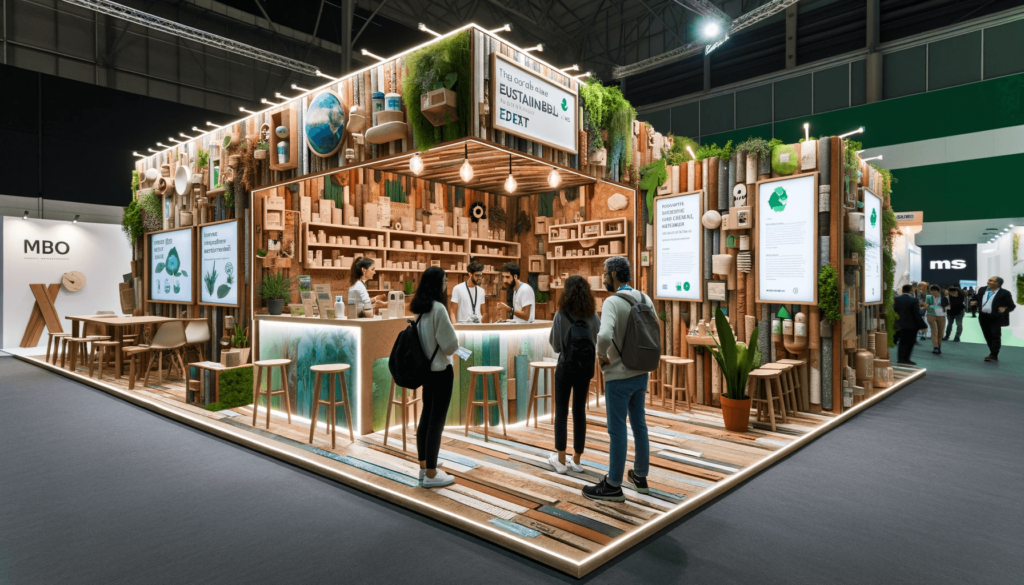
Energy-Efficient Lighting
LED lighting is the standard, but efficiency is increasingly shaped by how lighting is planned and controlled. Zoning is a strong approach, using brighter highlights for key products, demo areas, and meeting zones rather than blanket over-lighting the full footprint. Timers or motion sensors can also help in the right settings, particularly for quieter areas or longer opening hours, keeping the stand impactful while reducing unnecessary energy use.
Waste Reduction Strategies
Waste reduction is often built into the details – reducing print through QR-led brochures, downloadable spec packs, or “email me this” options, and encouraging digital interaction where it makes sense. Behind the scenes, reusable packing, organised component storage, and a stand designed to be dismantled and rebuilt cleanly all support repeat use across multiple events. Over a season of shows, these choices reduce last-minute replacements, cut down on single-use materials, and keep the whole process more efficient.
Sustainable build practices are now a clear benchmark for modern exhibitions. The brands seeing the most benefit are the ones treating sustainability as a measurable part of planning – using circular design, smarter material choices, and re-use-led builds that work better for the environment and the exhibition budget alike.
Interactive Displays for Enhanced Engagement
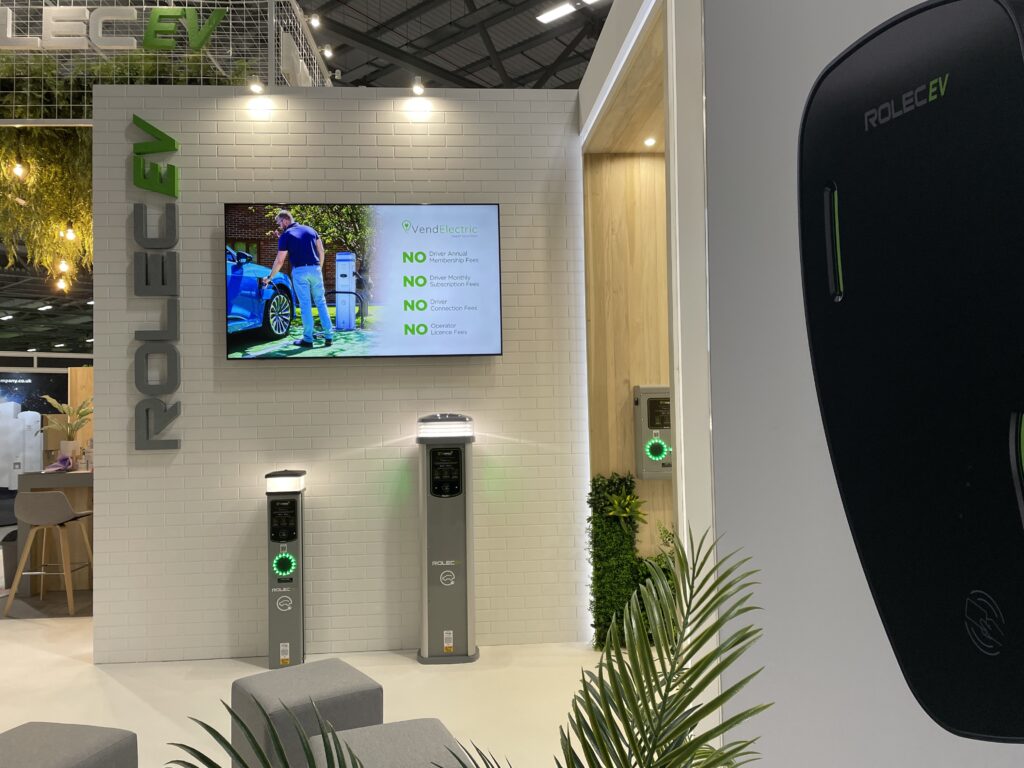
Interactive displays continue to be a reliable way to turn casual footfall into active interest, and so remain a popular exhibition design trend heading into 2026. When visitors can explore at their own pace, test ideas, or take part in something simple, it creates more natural opportunities for conversation. The most effective interactive elements are the ones that feel useful and well-placed – supporting the visitor journey rather than distracting from it.
Touch Screens and Interactive Panels
Touch screens and interactive panels are often used to help visitors go deeper without needing a full sales pitch upfront. Product selectors, configurators, interactive case studies, and ROI-style calculators can quickly guide someone towards what’s most relevant to them. “Choose your scenario” demos work well here too, especially when they lead into a conversation with the team rather than becoming a standalone experience.
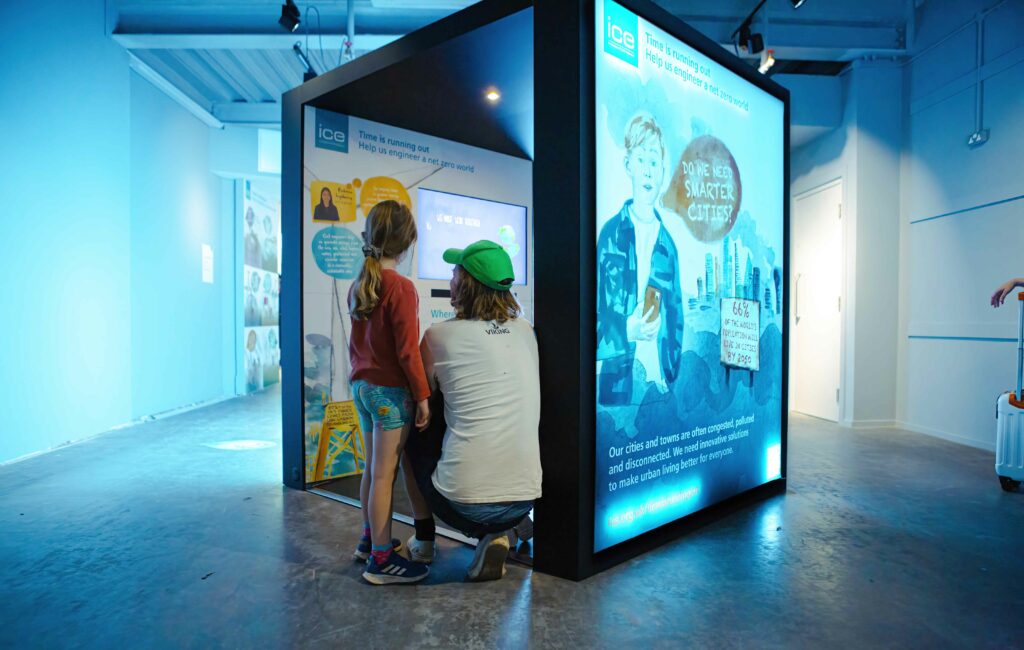
Motion-Activated Displays
Motion-triggered features can add energy and direction to a stand when used with restraint. Lighting that activates as visitors enter a zone, projections that respond to movement, or reactive floor and wall visuals can help guide flow and draw attention to key areas. The best examples feel seamless – they create momentum without overwhelming the space or competing with the brand message.
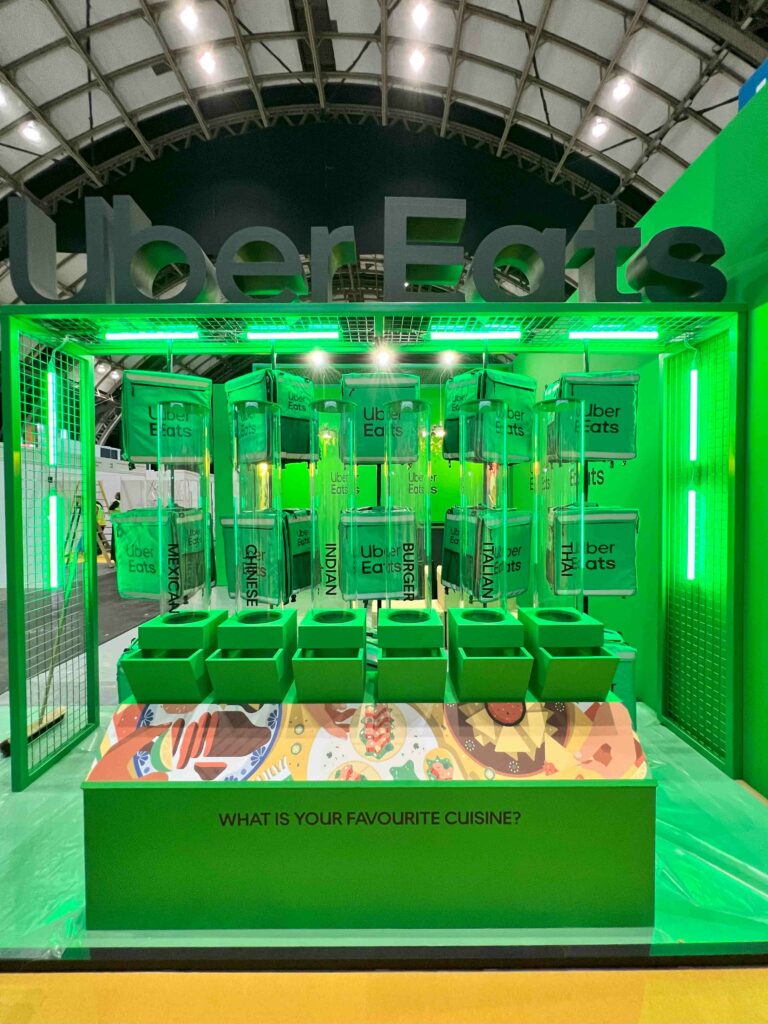
Audience Participation Features
Participation tools remain popular because they give visitors a reason to stop and engage. Live polls, feedback stations, and interactive prompts can work particularly well when they connect back to a product or service. Simple “vote for your biggest challenge” questions can also set up stronger follow-on conversations, helping teams qualify leads and focus on what the visitor actually needs.
Interactive displays are most valuable when they support clear outcomes: more conversations started, stronger lead quality, and key messages that people remember after they leave the stand.
Human Experience, Trust and Connection
In 2026, some of the most successful stands at the moment are designed around the moments that matter most: the conversation, the demonstration, and the feeling a visitor leaves with. Digital features can add real value, but they work best when they support human interaction rather than compete with it. With busy halls, short attention spans, and more considered buying decisions, stand design is increasingly focused on making it easy for people to engage, ask questions, and build confidence in what they’re seeing.
This is where layout and atmosphere play a bigger role. Clear zoning, comfortable pacing, and thoughtful touchpoints help visitors feel welcome – and help teams have better conversations with the right people.
Expert-led Demo Bars
Dedicated demo points give visitors a clear place to stop, watch, and understand what you do. An “explain it here” counter works particularly well for quick product handling, live walkthroughs, and repeatable demos that teams can deliver consistently across the day. It creates a natural focal point, keeps the messaging tight, and helps move visitors from curiosity to a more meaningful discussion without feeling like a hard sell.
Semi-Private Consulting Pods
For higher-value conversations, semi-private spaces make a noticeable difference. Consulting pods or screened meeting areas give serious buyers somewhere to ask detailed questions, share context, and talk through requirements without standing shoulder-to-shoulder on the aisle. The best designs feel open and approachable while still offering privacy, with acoustic control, clear entry points, and zoning that separates meetings from louder demo areas.
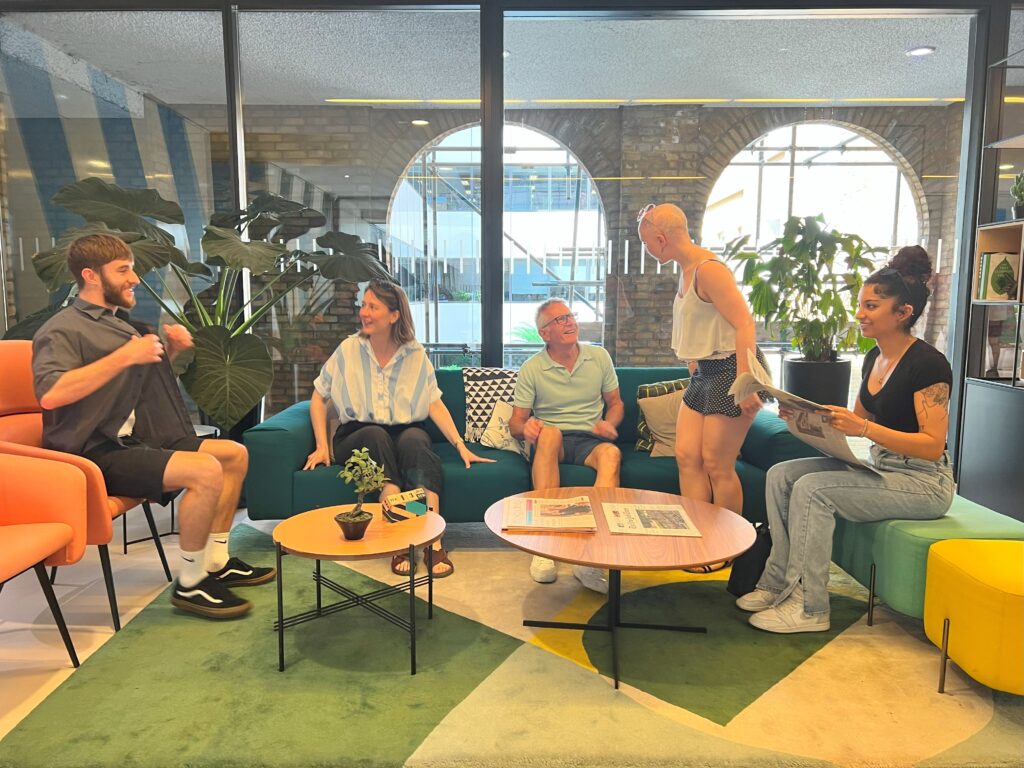
Hospitality with Purpose
Hospitality continues to have a place on exhibition stands, but it’s most effective when it supports the visitor journey. Thoughtful seating zones encourage longer conversations and give teams the chance to slow things down with the right prospects. Brands are also using structured touchpoints such as “meet the team” moments, short scheduled micro-sessions, and bookable consult slots, helping visitors choose how they want to engage and giving staff a clear rhythm to work around.
Human connection is the heart of exhibition marketing in 2026. Stands that prioritise comfort, clarity, and credibility tend to attract better-quality engagement, make conversations easier to start, and leave visitors with a stronger sense of trust when it’s time to follow up.
Multi-Sensory Experiences
Multi-sensory design continues to be a key exhibition stand trend going into 2026, particularly when brands want visitors to feel the quality of a product or properly understand how something works. The strongest examples use sensory cues in a controlled, thoughtful way – helping visitors focus, creating atmosphere, and making key messages easier to take in within a busy hall.
Engaging Multiple Senses
Sight is still the main driver of sensory exhibition trends, but it works best when it’s structured. Layered lighting, a clear hierarchy of messaging, and obvious focal points help visitors understand what matters most at a glance. Sound can support this too, when it’s used with restraint. Directional audio, controlled volumes, and purposeful sound cues can add energy or clarity without bleeding into neighbouring zones or overwhelming the space.
Touch is often where stands have been becoming more memorable. Hands-on product samples, material libraries, and tactile elements encourage visitors to pause and engage. These features also tend to spark better questions, because visitors can respond to what they’re physically experiencing rather than relying on a sales explanation alone.
Tactile Installations
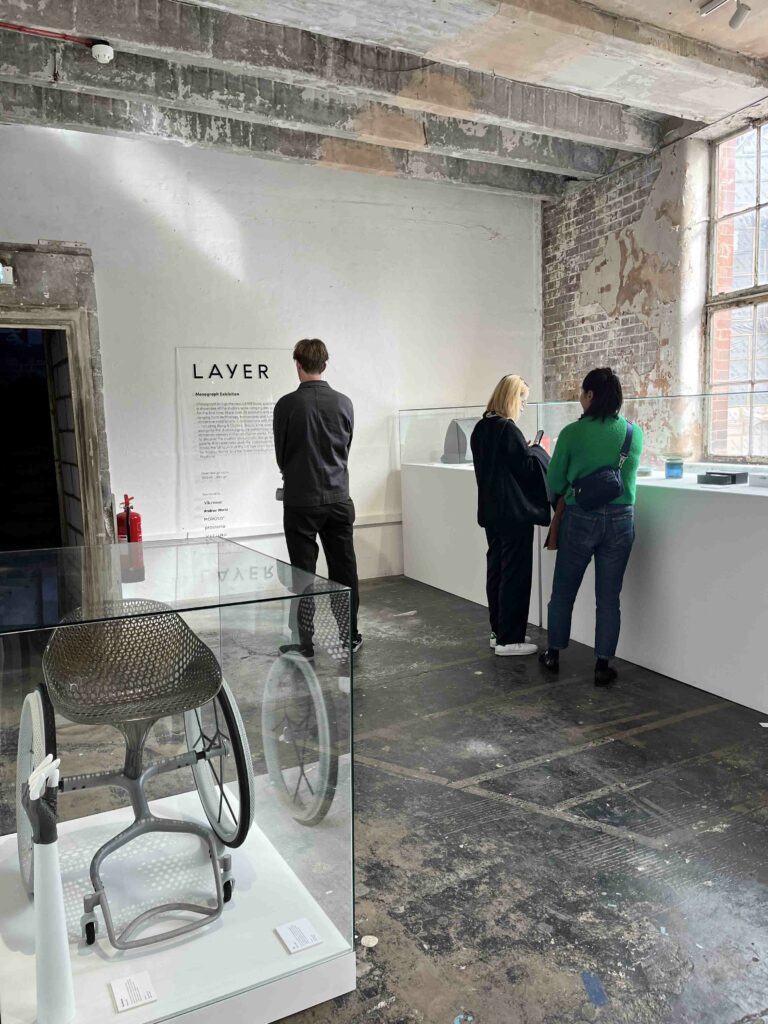
Tactile installations are especially effective when they’re tied directly to the product or the story. “Try it” stations, material boards, interactive prototypes, and physical storytelling elements can help visitors understand build quality, finishes, performance, or process in a way that’s hard to replicate on a screen. They also work well alongside demonstrations, giving visitors something concrete to explore before or after speaking with the team.
Multi-sensory design works best when it supports comfort and accessibility as well as engagement. Clear sightlines, uncluttered navigation, readable signage, and well-planned spacing all make a stand feel calmer and more welcoming. Keeping audio controlled and avoiding visual overload helps visitors stay longer, and it also makes the experience more inclusive for a wider range of people. Where additional sensory elements are considered, they need to suit the brand, the venue, and the audience – with a careful approach to anything that could feel intrusive or distracting.
The Role of Social Media in Exhibition Design
Social media continues to shape how exhibitions are experienced in 2026, but the most effective approach tends to be strategic rather than decorative. It works best when it’s treated as amplification – a way to extend what happens on the stand into pre-show awareness, live event momentum, and post-show follow-up. For brands, the aim is to create shareable moments that support the message, attract the right audience, and drive people towards something useful afterwards, such as a landing page, a booking link, or a downloadable resource.
Share-Worthy Moments
A social moment doesn’t need to be elaborate to be effective. Often, one strong “hero” feature does more than several smaller backdrops competing for attention. The best share-worthy stand moments are designed with intent: a bold takeaway statement, a visual proof point, a product reveal, or a simple interactive idea that visitors understand instantly. When the moment connects clearly to what the brand does, the content feels natural rather than staged – and tends to perform better in terms of saves, shares, and meaningful engagement.
Live Social Media Walls
Live social walls can add energy and a sense of real-time participation, especially when they highlight event reactions, customer shoutouts, or posts from visitors using the official hashtag. They can also be a useful way to encourage UGC without asking people directly.
Hashtag Campaigns
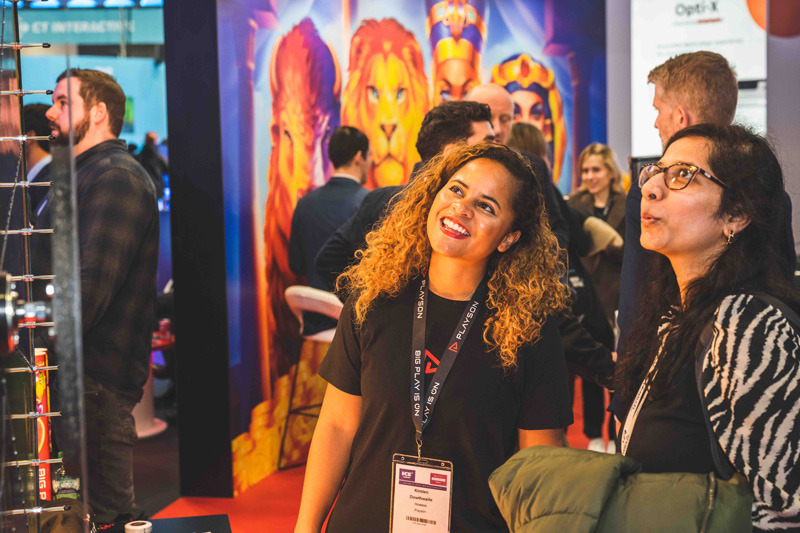
Hashtags work best when they’re part of a wider campaign plan rather than a standalone label. In 2026, many brands build a simple flow across the full event cycle: pre-show teasers that set the theme, an on-stand activation that gives visitors something to post, and a post-show recap that keeps the conversation going. UGC prompts tend to land better when there’s a tangible reason to take part – a prize draw, a featured post, early access to a download, or priority booking for a demo or consultation.
As we’ve explored, exhibition design trends in 2026 are being shaped by a mix of technology, sustainability, interactivity, multi-sensory thinking, and the growing role of social content. Together, these trends are raising expectations of what a stand should deliver. Visitors want experiences that feel clear, engaging, and genuinely worth their time, with a balance of strong design and practical value.
The impact goes beyond visuals. These developments reflect a wider shift in how brands communicate and how people choose to engage on a busy show floor. From AR and visualisation tools that help explain complex products, to tactile and multi-sensory elements that bring quality and detail to life, the strongest ideas are the ones that make exhibitions easier to understand, more memorable, and more inclusive.
As the industry continues to evolve, the role of designers and organisers becomes more considered. Creating a successful stand now prioritises shaping a visitor journey, planning for meaningful conversations, and using the right tools to support engagement before, during, and after the event.
The direction of travel is promising. With the right planning, exhibitions can offer more sustainable builds, smarter experiences, and stronger connections between brands and the people they’re there to meet.
If you’re looking for inspiration, take a look at our exhibition stand ideas for practical ways to bring these trends into your next show. The London Display Company designs and builds stands with quality, clarity, and long-term value in mind – and we’re always happy to help you explore what will work best for your brand.
FAQs
What are the biggest exhibition stand design trends in 2026?
The most impactful trends in 2026 exhibition stand design are digital integration (touchscreens, AR, app-connected kiosks), sustainability (recyclable materials, LED lighting), and human-experience design – stands structured around conversation and demonstration rather than passive display. Social media amplification through share-worthy stand moments is also a growing priority for brand-led exhibitors.
Is AR and VR worth investing in for an exhibition stand?
AR is typically the more practical option for most exhibitors – it works on visitors’ own devices, requires no headset, and can be triggered by QR codes or NFC tags on printed graphics. VR is most effective when the product or experience being demonstrated is genuinely impossible or expensive to replicate in person (large machinery, complex architecture, inaccessible environments). For most UK trade shows, AR offers a better return on investment than a full VR installation.
What does a multi-sensory exhibition stand actually include?
A multi-sensory stand uses multiple channels to engage visitors: sight (lighting design, bold graphics, video content), sound (ambient audio or product demo soundscapes), touch (tactile material finishes, interactive elements), and sometimes scent (particularly relevant for food, drink, and wellbeing brands). The most effective multi-sensory stands are designed around a clear visitor journey – not all elements applied at once, but layered to guide a visitor through the space in sequence.
How can I make my exhibition stand more shareable on social media?
The most shared stand moments are structural, not decorative: a distinctive backdrop, an unusual material or finish, an immersive space visitors feel they’re inside rather than standing in front of. Design one “shareable moment” into the stand – a specific visual element that photographs well – and position it where natural foot traffic flows past it. Staff should be briefed to actively encourage visitors to photograph and tag.
CONTACT US
020 8530 3667
The London Display Co Ltd
Wework Building London Fields
London E8 4RU